Call: 07315122483
 Send Inquiry
Stainless steel plates
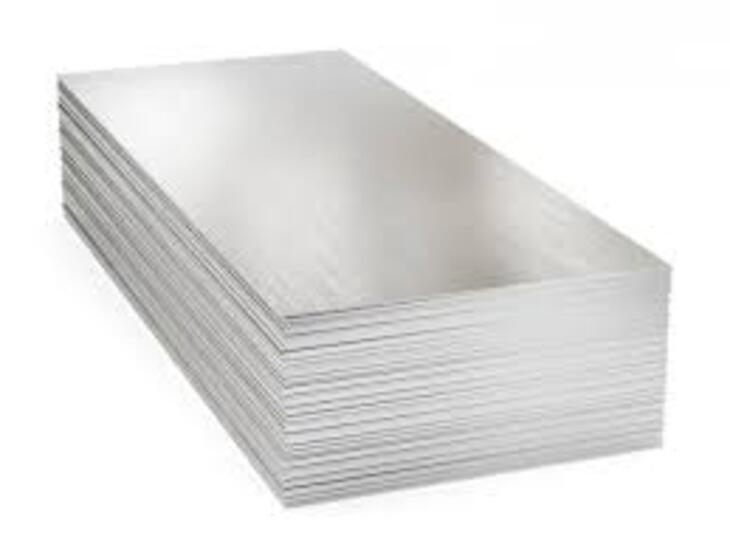
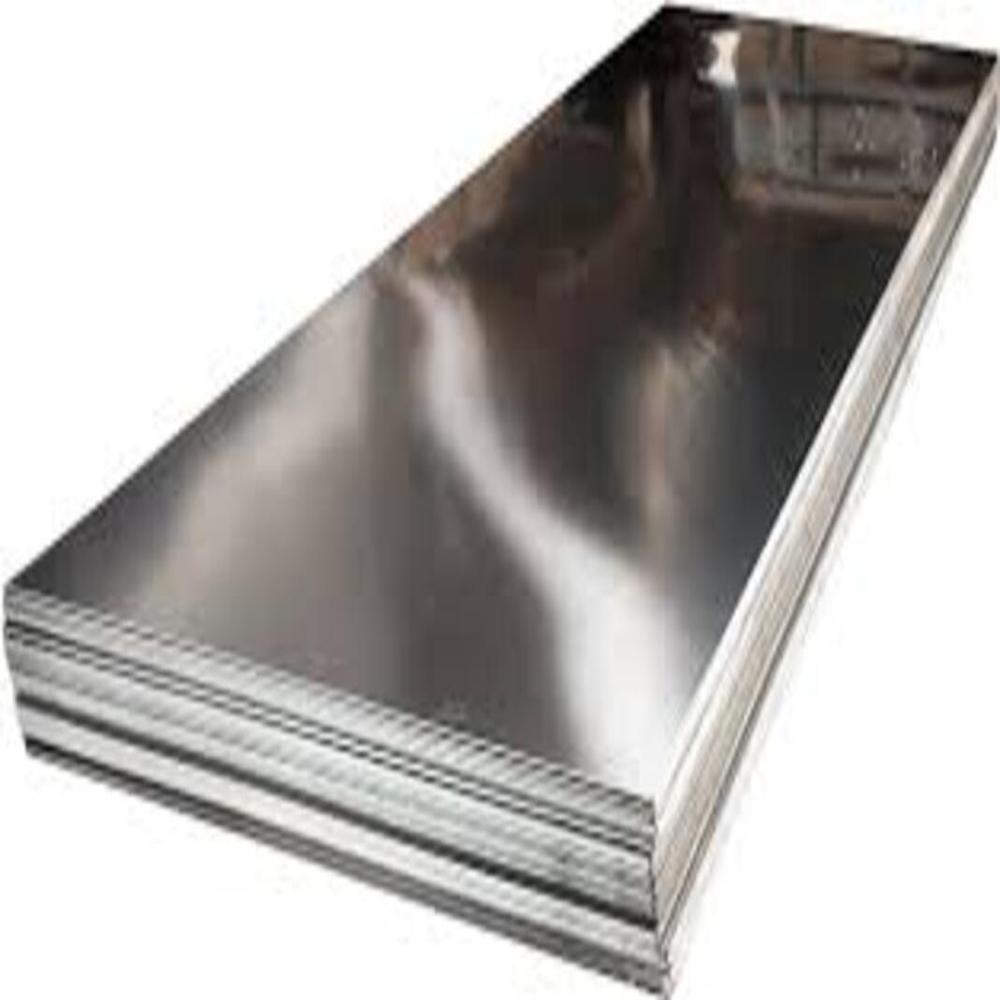
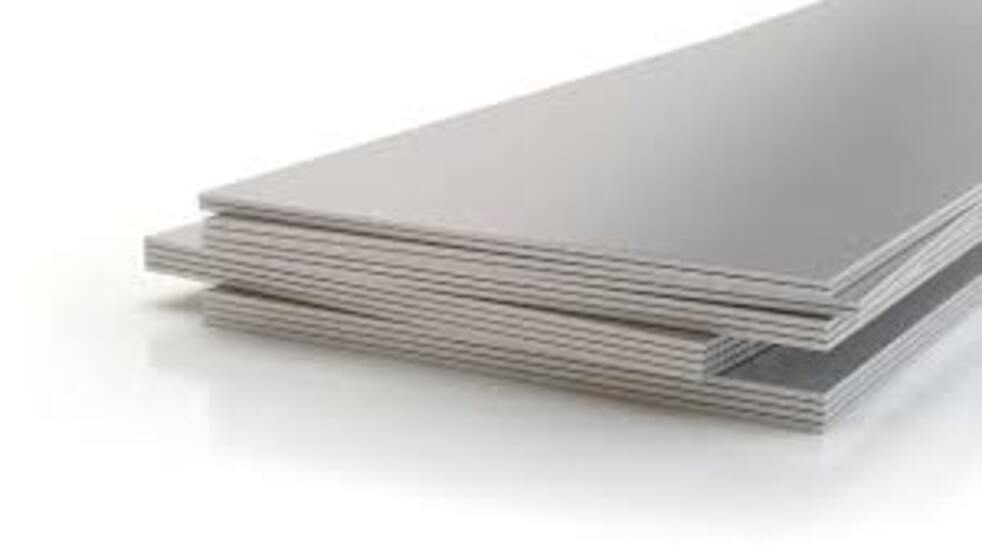
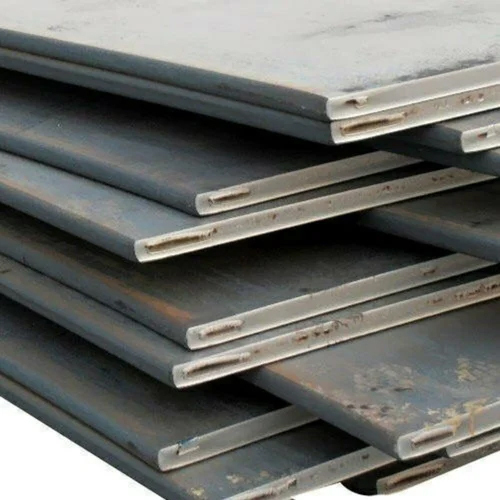
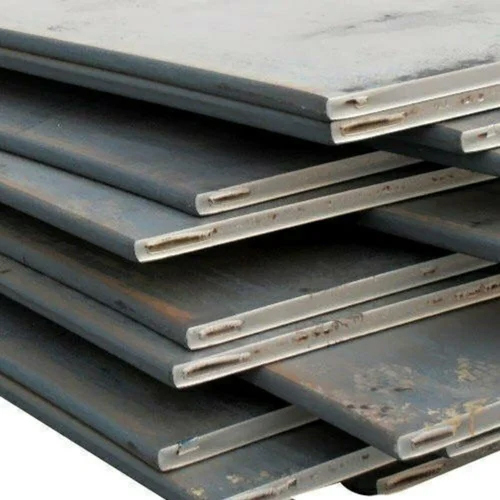
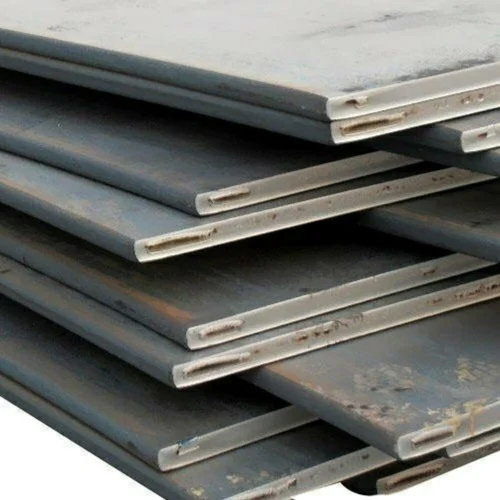
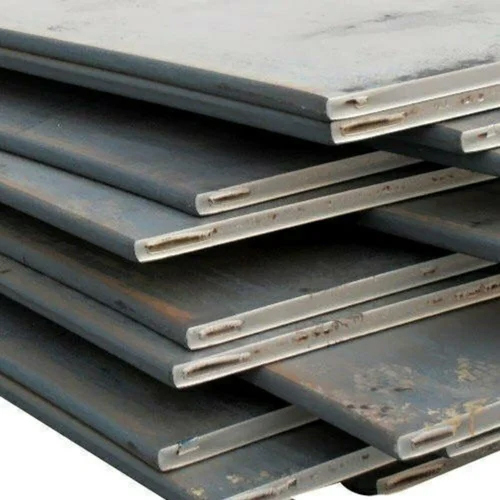
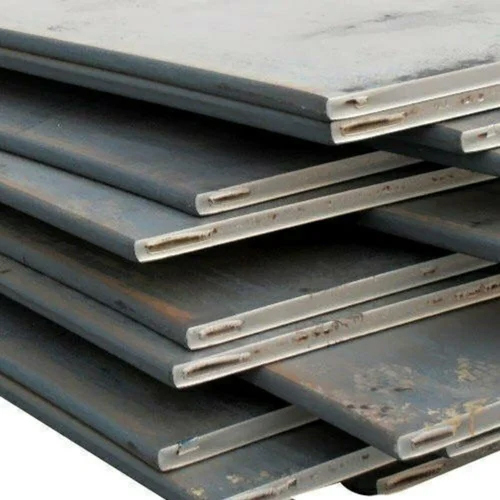

Stainless steel plates Specification
- Product Form
- Plates / Sheets
- Diameter
- Not applicable for plates
- Coating Type
- None (natural passivated oxide layer), optional PVC coating for surface protection
- Recyclable
- Yes, 100% recyclable
- Heat Resistance
- Yes
- Size
- Customized and standard sizes available
- Hardness
- 160-220 HB (Brinell, depending on grade)
- Tensile Strength
- 480-620 MPa (depending on grade)
- Corrosion Resistant
- Yes, excellent corrosion resistance
- Material Composition %
- 201: Cr 16-18%, Ni 3.5-5.5%; 304: Cr 18-20%, Ni 8-10.5%; 316: Cr 16.5-18.5%, Ni 10-13%, Mo 2-2.5% (approximate ranges)
- Product Name
- Stainless Steel Plate
- Steel Type
- Stainless Steel
- Steel Product Type
- Plate
- Grade
- 304, 316, 321, 310, 201, 430, other grades available
- Thickness
- 0.3 mm - 100 mm
- Steel Standard
- ASTM A240, JIS G4304, EN 10088, GB/T3280
- Surface
- 2B, BA, No.1, No.4, HL, Mirror, Custom finishes
- Composition
- Mainly Iron, Chromium, Nickel, with elements such as Manganese, Carbon, Silicon, Molybdenum (grade-dependent)
- Application
- Construction, Petrochemical, Food Processing, Automotive, Shipbuilding, Kitchenware, Chemical Industry, Architecture, and Medical Equipment
- Dimension (L*W*H)
- As per customer requirement, common sizes: 1000mm x 2000mm, 1220mm x 2440mm, 1500mm x 3000mm
- Weight
- Variable based on size and thickness (e.g., 7.85 kg/m2 per mm thickness)
- Color
- Silver / Metallic
- Material Grade
- 201/304/316/310/430 (other grades on request)
- Finish Type
- 2B, BA, HL, Mirror, No.1, No.4, Custom finishes
- Usage
- Fabrication, Equipment Manufacturing, Interior & Exterior Applications, Industrial Processing, Decoration
- Edge Type
- Mill edge, slit edge, or custom edge available
- Formability
- Excellent for most grades
- Flatness Tolerance
- Complies with international standards (typically 5 mm/m)
- Packing
- Standard seaworthy packaging: waterproof paper, wooden pallet/crate, steel belt
- Machinability
- Good (varies by grade)
- Magnetic Properties
- Generally non-magnetic (304, 316), magnetic in some ferritic/martensitic grades (e.g., 430)
- Weldability
- Excellent weldability for austenitic grades
- Minimum Order Quantity
- Negotiable based on size and grade
Stainless steel plates Trade Information
- Minimum Order Quantity
- 2000 Kilograms
- FOB Port
- kolkata
- Payment Terms
- Cash in Advance (CID)
- Delivery Time
- 3 Days
- Main Export Market(s)
- Asia
- Main Domestic Market
- All India
About Stainless steel plates
An SS plate refers to a stainless steel plate, a durable, flat metal alloy made primarily of iron, chromium (usually at least 10.5%), and other elements like nickel and molybdenum. The high chromium content gives it excellent resistance to rust, corrosion, and high temperaturesSuperior Material Selection
Manufactured using international steel standards like ASTM A240 and JIS G4304, our stainless steel plates are available in popular grades (201, 304, 316, 310, 430) to suit varied industrial needs. Each plate is composed primarily of iron, chromium, and nickel, providing robust corrosion resistance and durability for long-lasting applications.
Customizable Dimensions and Finishes
Customers can select from standard dimensions such as 1000mm x 2000mm, 1220mm x 2440mm, or customize lengths and widths as required. Finishes range from utilitarian 2B to decorative mirror polish, ensuring an ideal match for structural, fabrication, or aesthetic purposes. Custom shapes and edge types are available on request.
Reliable Performance and Versatile Use
Stainless steel plates offer good machinability, excellent weldability in austenitic grades, and non-magnetic properties (magnetism varies by grade). They perform reliably in harsh industrial environments and are entirely recyclable, making them a sustainable choice for fabrication, interior and exterior architecture, manufacturing, and heavy industry.
FAQ's of Stainless steel plates:
Q: How are the stainless steel plates packaged for shipment?
A: Stainless steel plates are packed using standard seaworthy packaging, which includes waterproof paper, wooden pallets or crates, and steel belts. This ensures the plates are protected from moisture, physical damage, and corrosion during transit.Q: What are the available edge types for these stainless steel plates?
A: You can choose from mill edge, slit edge, or specify a custom edge according to your project requirements. Each edge finish is selected based on application needs and customer specifications.Q: When is it necessary to select a specific grade like 304 or 316?
A: The choice of grade depends on the environmental and mechanical requirements of your application. Grade 304 offers excellent general corrosion resistance, while 316 is preferred in highly corrosive or marine environments due to its molybdenum content.Q: Where can these stainless steel plates be applied?
A: They are widely used in construction, petrochemical, food processing, automotive, shipbuilding, kitchenware, architecture, medical equipment, and many other industrial sectors thanks to their durability and resistance to corrosion.Q: What is the process for ordering customized plate sizes and finishes?
A: Simply provide your required dimensions, thickness, edge type, surface finish, and grade. The minimum order quantity is negotiable, and our team will assist you through specification, quotation, fabrication, inspection, and delivery.Q: How does the machinability and weldability of these plates benefit fabricators?
A: These plates offer good machinability (grade-dependent), allowing for efficient cutting and shaping. Austenitic grades are particularly known for excellent weldability, making fabrication and assembly processes straightforward and reliable.Q: What are the main advantages of using stainless steel plates over other materials?
A: Stainless steel plates combine superior corrosion resistance, high tensile strength, heat resistance up to 870C, recyclability, and low maintenance requirements, making them a practical and enduring choice for both functional and decorative applications.Tell us about your requirement

Price:
Quantity
Select Unit
- 50
- 100
- 200
- 250
- 500
- 1000+
Additional detail
Mobile number
Email

More Products in Steel Plate Category
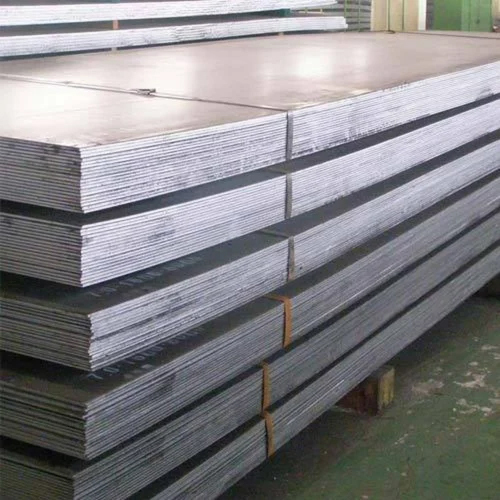
Pressure Vessel Steel Plate
Price 53 INR / Kilograms
Minimum Order Quantity : 100 Kilograms
Surface : Polished
Warranty : 1 Year
Hardness : Rigid
Grade : Various Grades Available
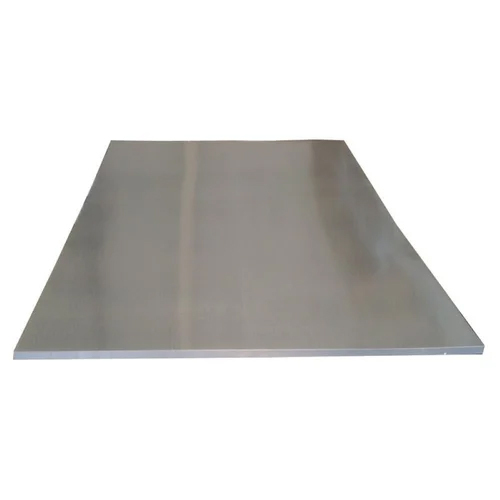
Boiler And Pressure Vessel Steel Plate
Price 62 INR / Kilograms
Minimum Order Quantity : 100 Kilograms
Surface : Polished
Warranty : 1 Year
Hardness : Rigid
Grade : Various Grades Available
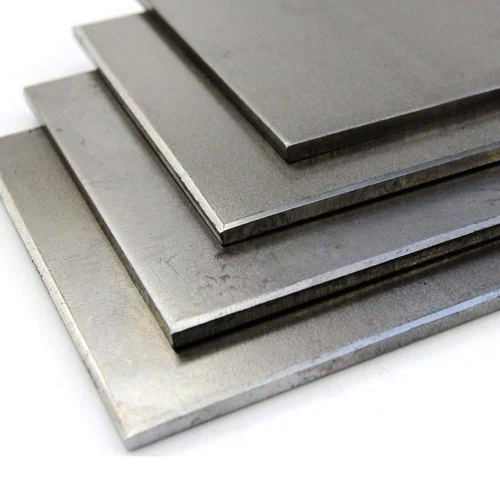
Sail Hard Steel Plate
Price 58 INR / Kilograms
Minimum Order Quantity : 100 Kilograms
Surface : Polished
Warranty : 1 Year
Hardness : Rigid
Grade : Various Grades Available
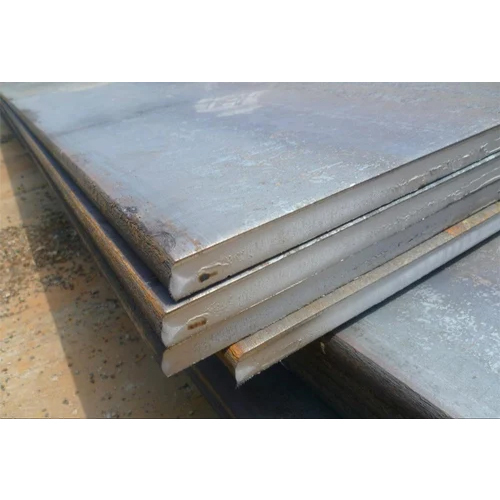
Boiler Quality Plate
Price 51 INR / Kilograms
Minimum Order Quantity : 100 Kilograms
Surface : Polished
Warranty : 1 Year
Hardness : Rigid
Grade : Various Grades Available

Contact Details
Haryana Steel Supply Co Pvt Ltd.
GST : 19AAACH8295F1Z9
- 45,Naharshi Bebendra Road,Barrackpore - 700057, West Bengal, India
- Phone :9831892704

 Send Inquiry
Developed and Managed by Infocom Network Private Limited.
